Section
- Neurobiology of Sleep: Yin–Yang Dynamics of the Central Nervous System
- Breathing Techniques for Sleep Induction
- Bathing, Autonomic Regulation, and Sleep
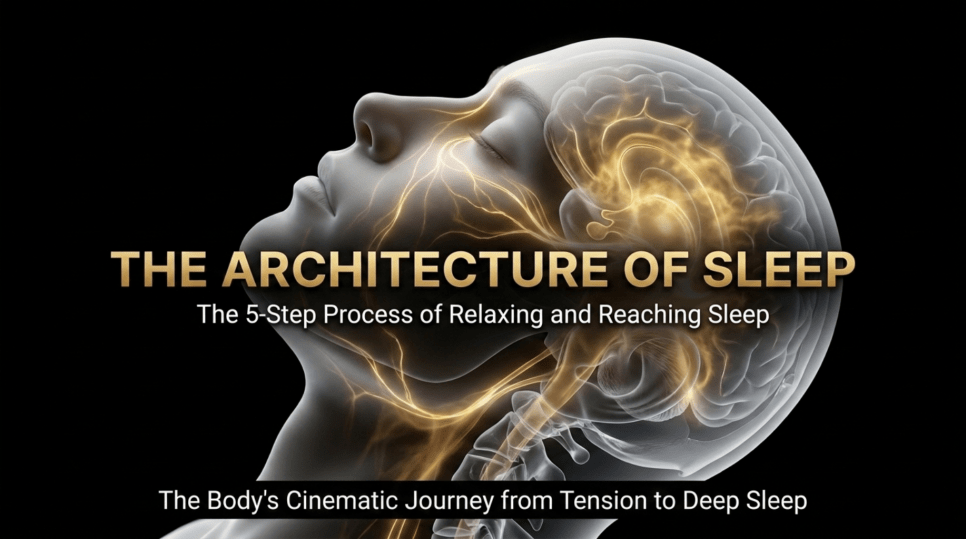
Introduction
In Lecture 23, I discussed the topic of sleep, and I have written this article to further elaborate on that discussion.There is a passage in the Huangdi Neijing that states:
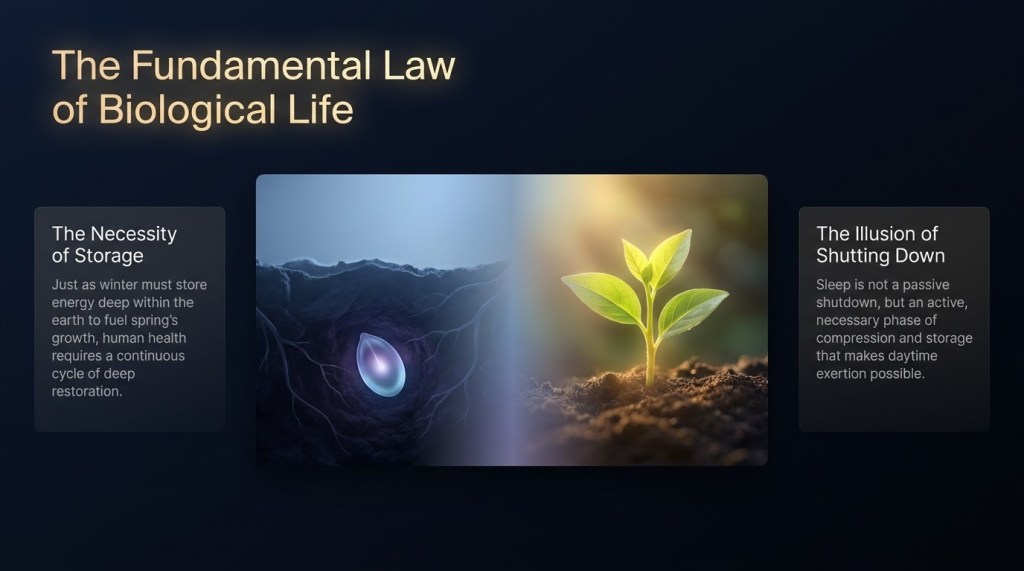
“If essence is not properly stored in winter, there will be nothing to give rise to in spring.”
To induce a seed to germinate, a stimulus is required. Soaking it in water is one method. Some seeds sprout with water alone, while others—such as metasequoia or honeybush—require fire or smoke to trigger germination.
In order to emerge, one must first contract.
To sustain daytime activity, the body must rest and enter sleep; this reflects the cyclical principle of Yin and Yang.
To induce a seed to germinate, a stimulus is required. Soaking it in water is one method. Some seeds sprout with water alone, while others—such as metasequoia or honeybush—require fire or smoke to trigger germination.
In order to emerge, one must first contract.
To sustain daytime activity, the body must rest and enter sleep; this reflects the cyclical principle of Yin and Yang.
However, as people age, sleep does not come as easily. Frequent urination often disrupts sleep, and in men, prostate-related issues become more prominent. There is an old saying that “sleep diminishes with age,” and indeed, it is a common tendency for sleep duration to decrease over time.
In general, physical fatigue promotes good sleep. One of the reasons for insomnia is not adequately tiring the body; instead, excessive mental activity and emotional strain without sufficient physical exertion can make it difficult to fall asleep.
Modern life is dominated by computers and television, with a constant influx of information. These have become tools of both rest and entertainment, making it difficult to disconnect from them. However, compared to the time spent engaging with these devices, physical activity is often insufficient, and this imbalance contributes to insomnia.
In such an environment, achieving good sleep requires not only an understanding of neurophysiological principles but also an exploration of practical methods that can facilitate sleep.
The detailed physiology of sleep will be discussed in Chapter 127, as it may be too complex for general readers. In this chapter, only the most fundamental concepts will be addressed, with a focus on methods to relax the body.
- Neurobiology of Sleep: Yin–Yang Dynamics of the Central Nervous System
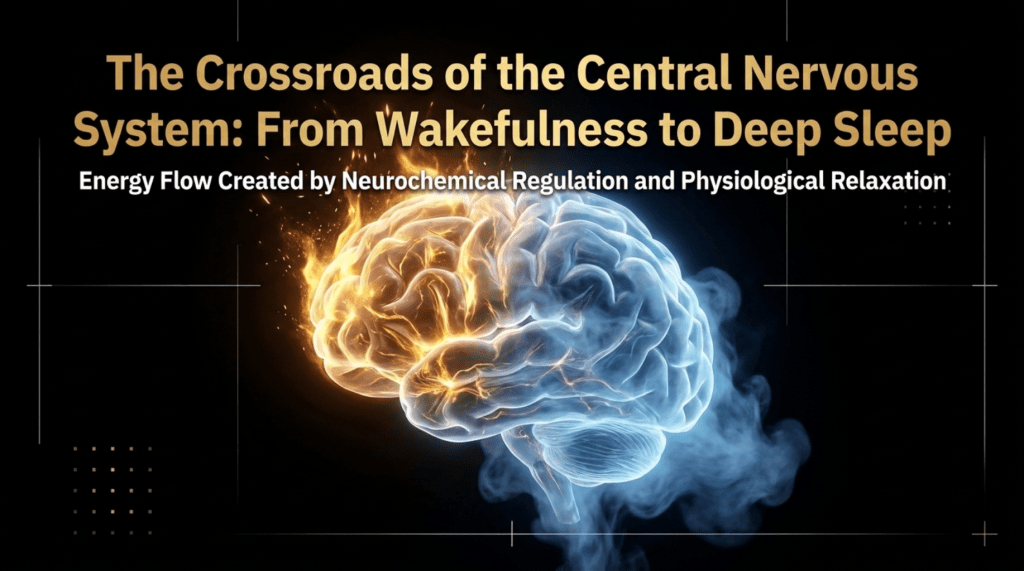
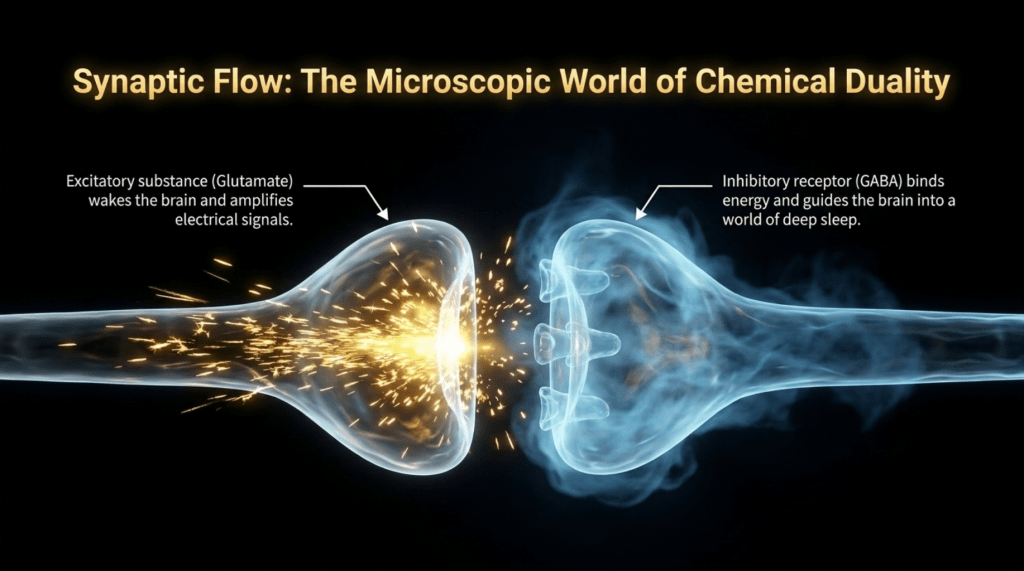
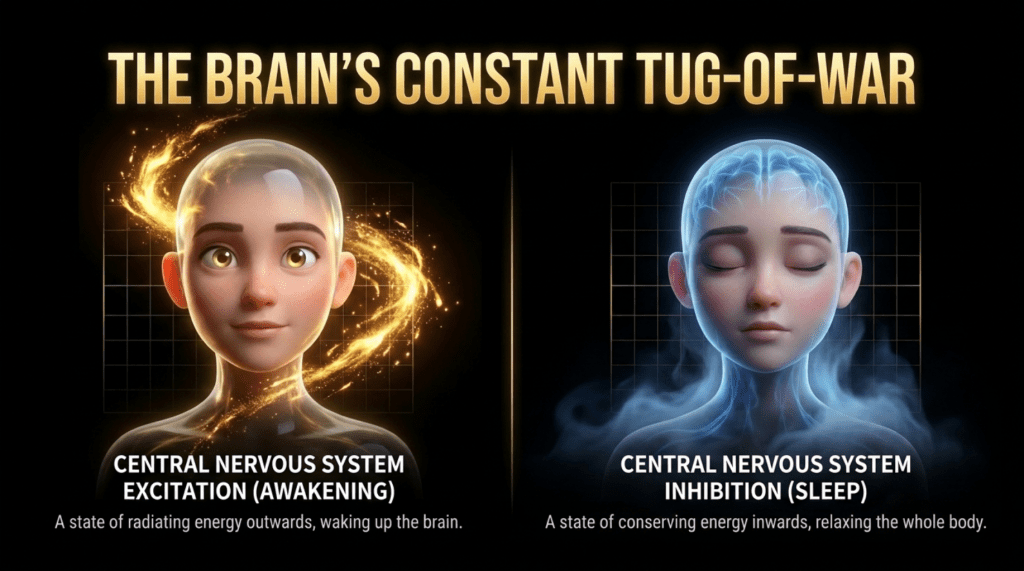
Wakefulness corresponds to central excitation, whereas sleep corresponds to central inhibition. In the central nervous system (CNS), the primary excitatory neurotransmitter is glutamate (glutamic acid), while the primary inhibitory neurotransmitter is GABA.
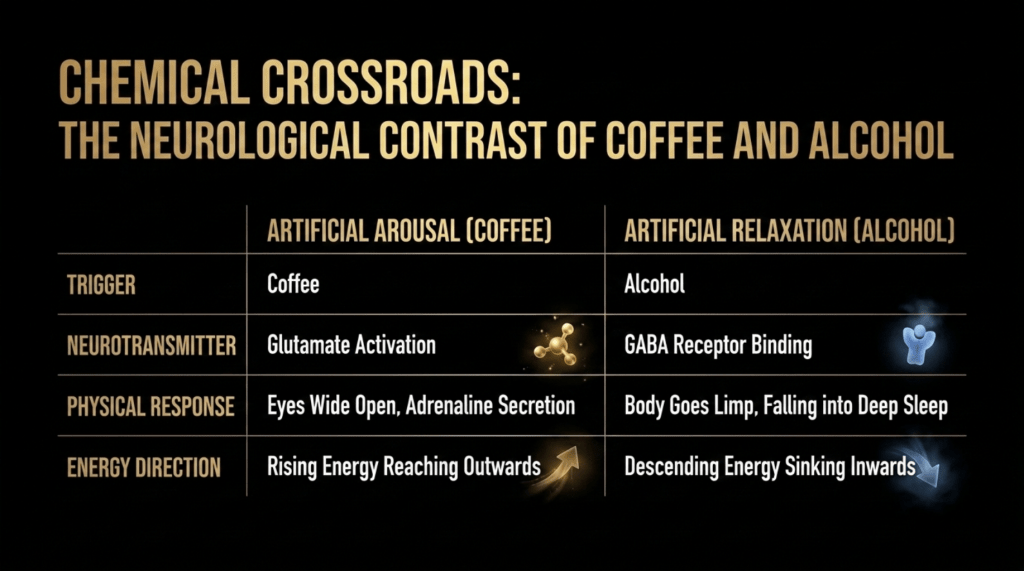
To understand this more intuitively, one may draw an analogy between coffee and alcohol.
When one drinks coffee, the body becomes tense and focused, and sleep is inhibited. This represents a state of mental Yang, characterized by heightened alertness and activation of the sympathetic nervous system. Blood flow is directed toward the sensory organs, enhancing perception and responsiveness.
However, from the perspective of the body as a whole, this can be understood as a Yin state, in that internal restorative processes are suppressed and resources are diverted outward rather than conserved.
When one drinks alcohol, even painful stimuli may go unnoticed. Speech may become disorganized, and emotions that are normally suppressed can be expressed freely. This reflects a shift toward parasympathetic dominance.
When this state becomes excessive, it leads to sleep. In the brain, parasympathetic activation slows neural transmission and facilitates the onset of sleep.
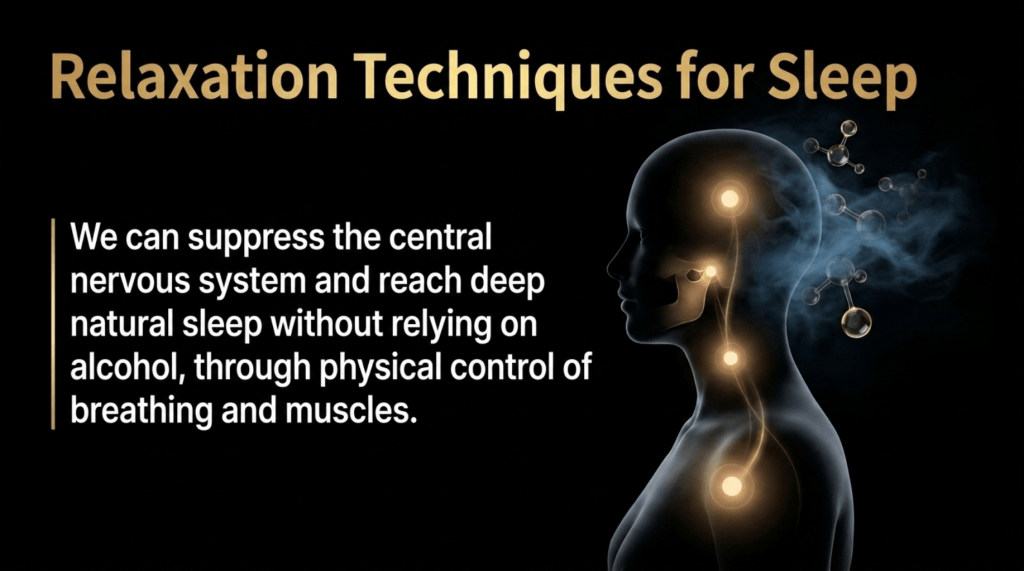
However, we do not need to rely on alcohol to achieve this state. Through breathing techniques, we can relax the body and facilitate the onset of sleep.
- Breathing Techniques for Sleep Induction
To sleep well, the body must be relaxed and the mind must be settled. Organizing one’s surroundings—clearing clutter, arranging the desk, and keeping the room in order—helps gather scattered energy and promotes a state of inward convergence, which is beneficial for sleep.
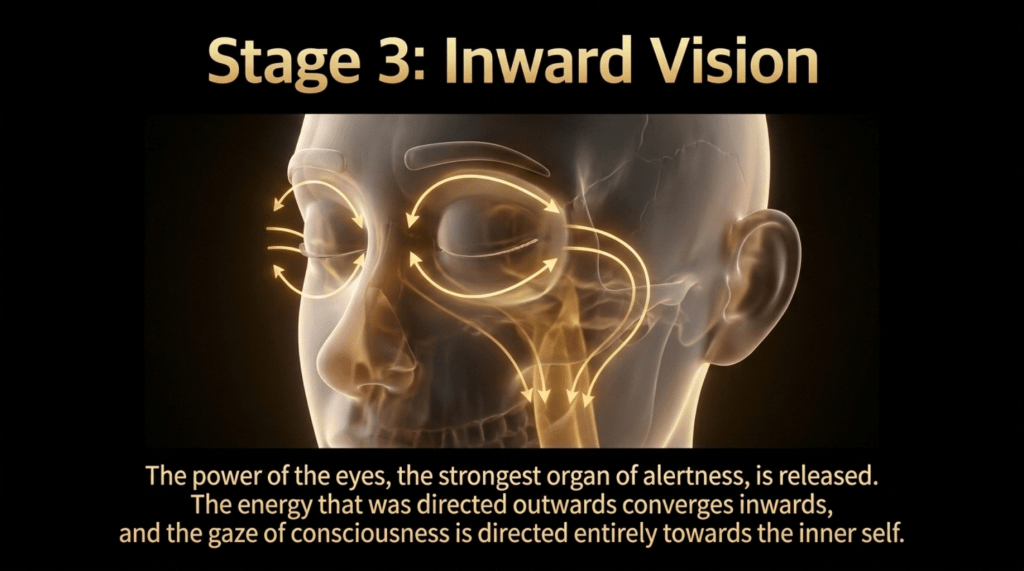
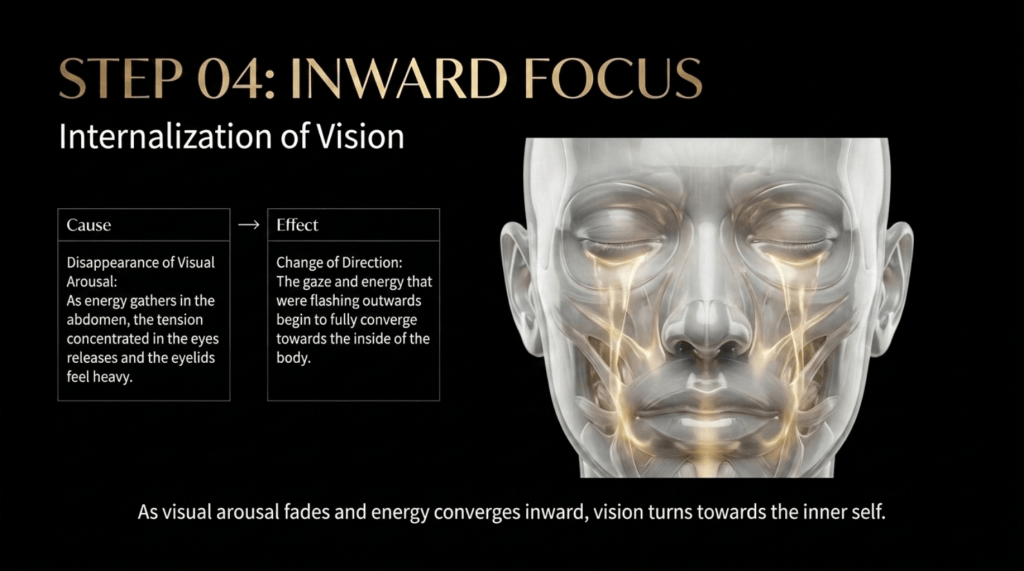
Once the surroundings are organized, one should close the eyes and allow the eyelids to become heavy.
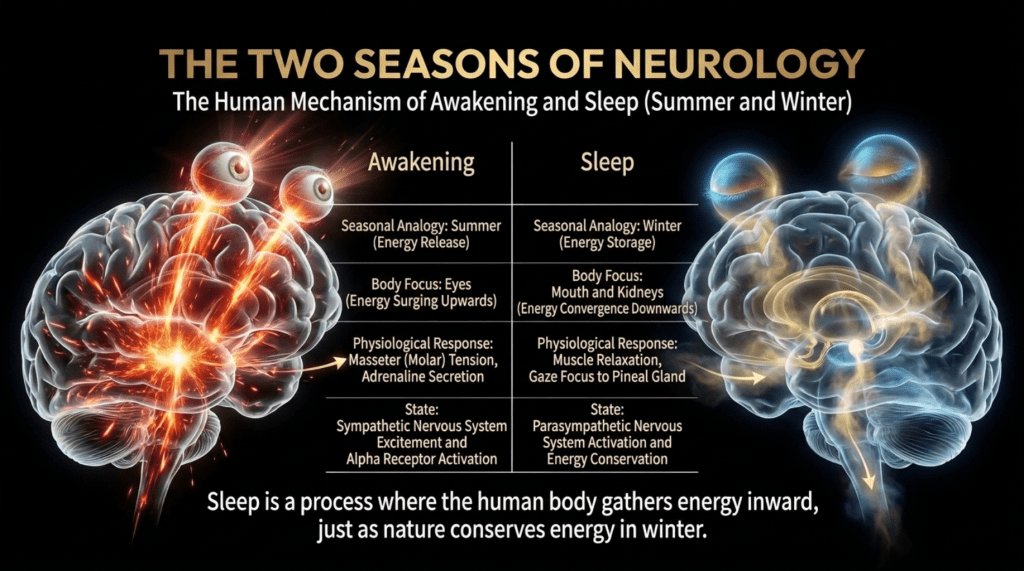
When the eyes are open, the central nervous system is stimulated; when the eyes are closed, neural activity is reduced and the brain shifts toward inhibition.
The first step toward sleep is to close the eyes. Gently feel the weight of the eyelids as they become heavier, and allow them to close naturally.
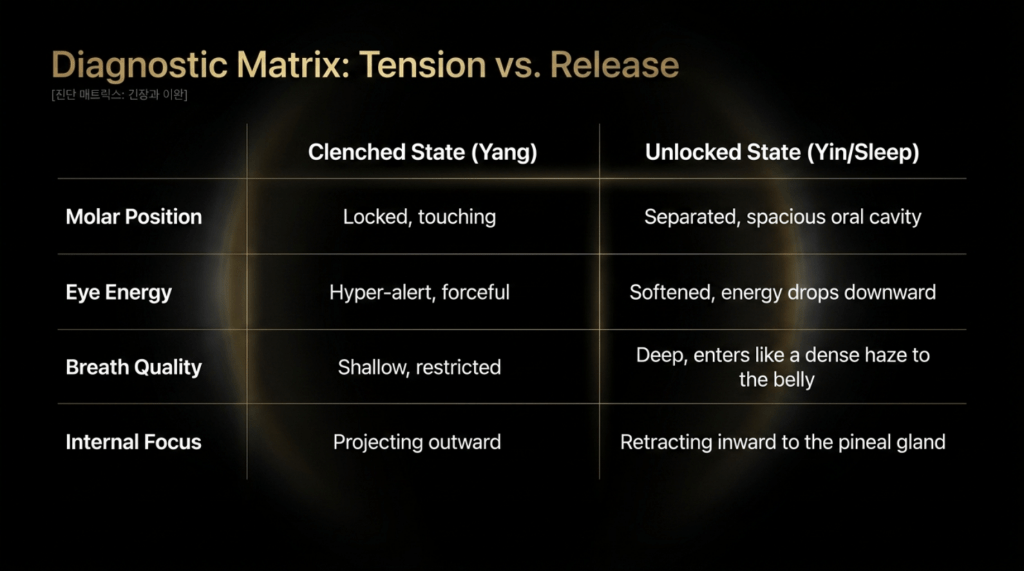
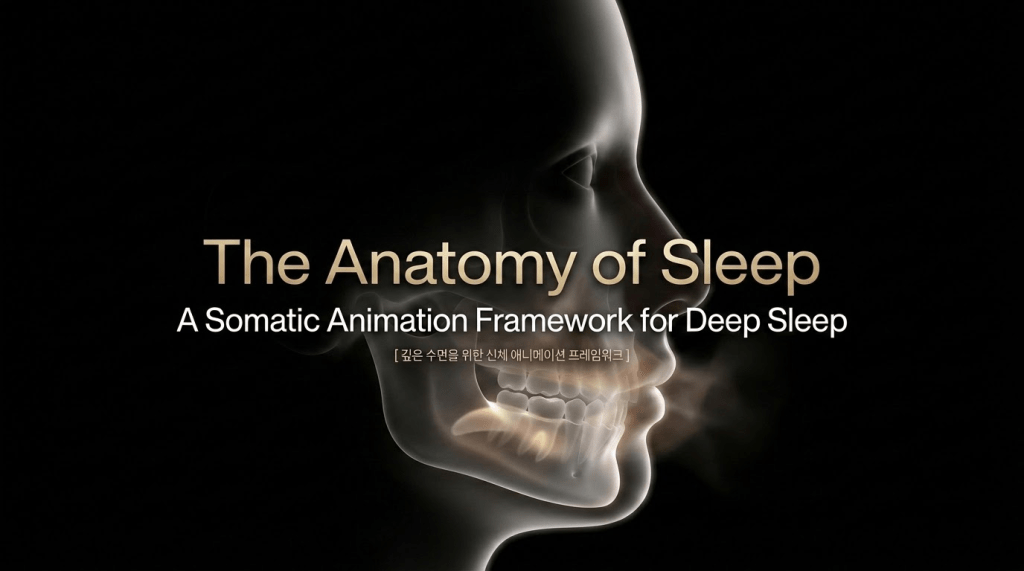
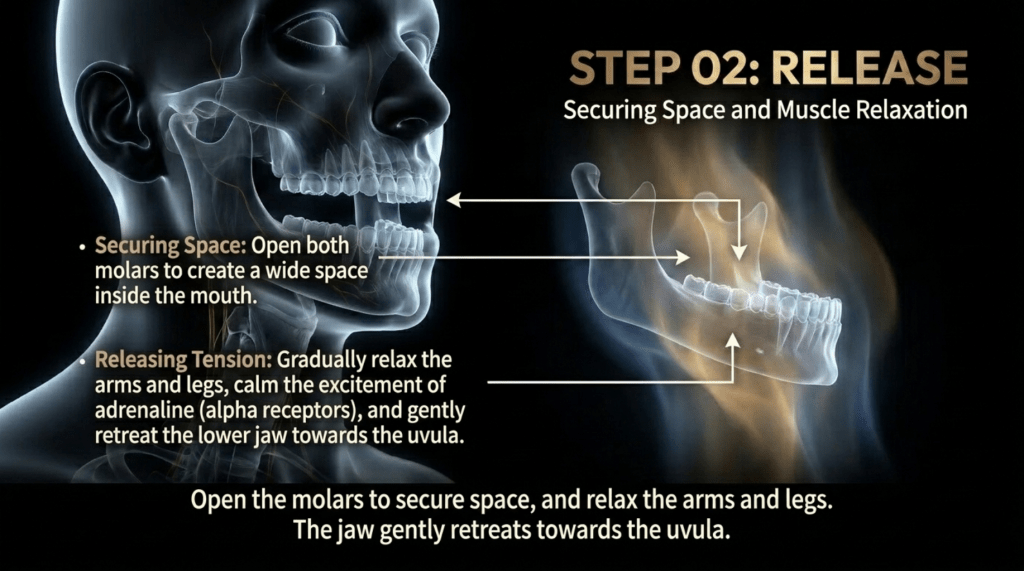
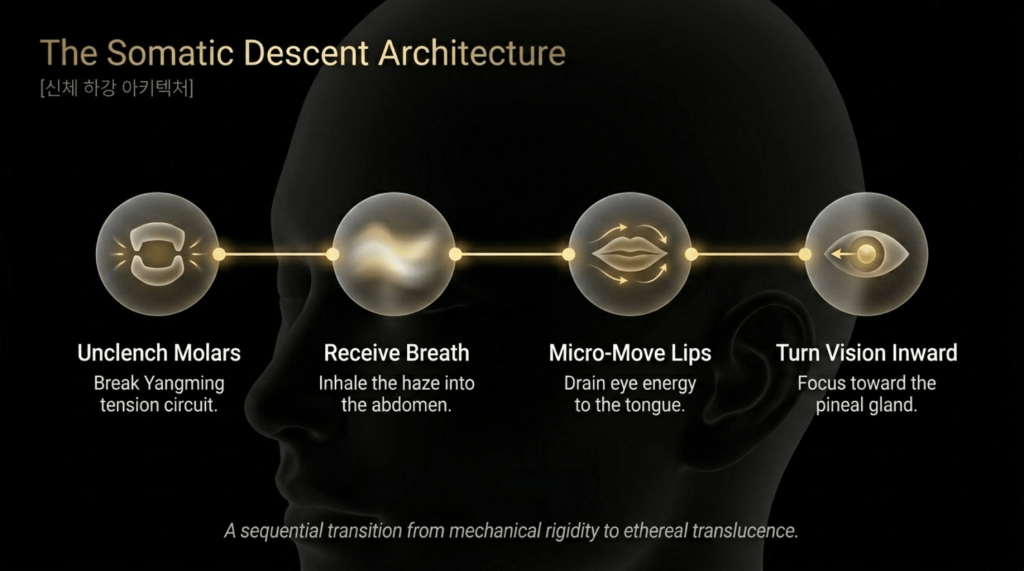
More importantly, for sleep, not only must the mind become calm, but the body must also be relaxed. To achieve this, one should first allow the molars to separate slightly and let the tongue curl gently upward, softening the muscles of the mouth as if holding a small ball inside.
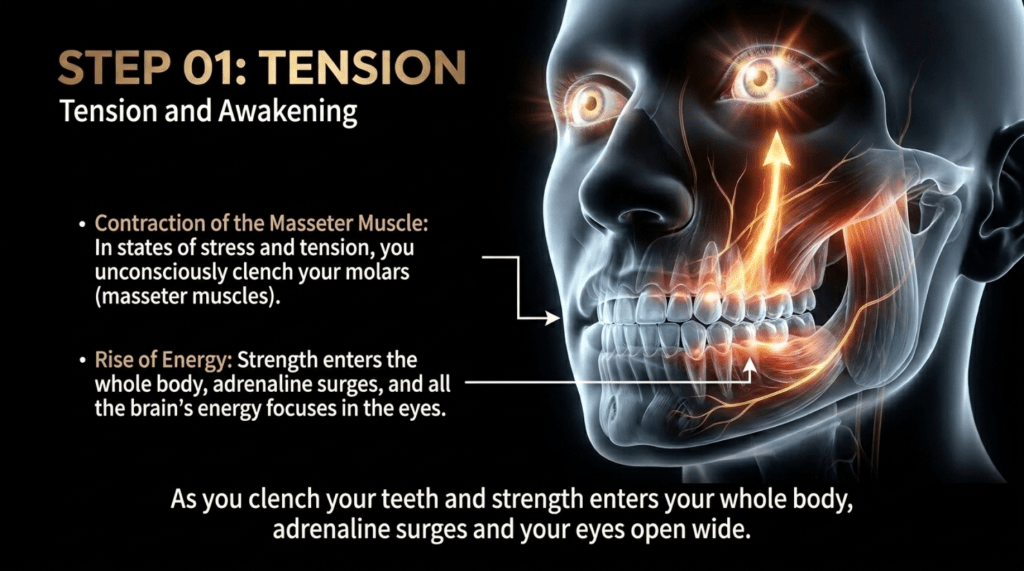
Clenching the molars is associated with what is traditionally referred to as the “Yangming muscle.” Both the Hand Yangming Large Intestine Meridian and the Foot Yangming Stomach Meridian are related to this region. The energy of the Yangming channel, in Sasang constitutional theory, corresponds to a more Soyang-type dynamic energy—one that generates muscular tension and promotes rapid eye movement.
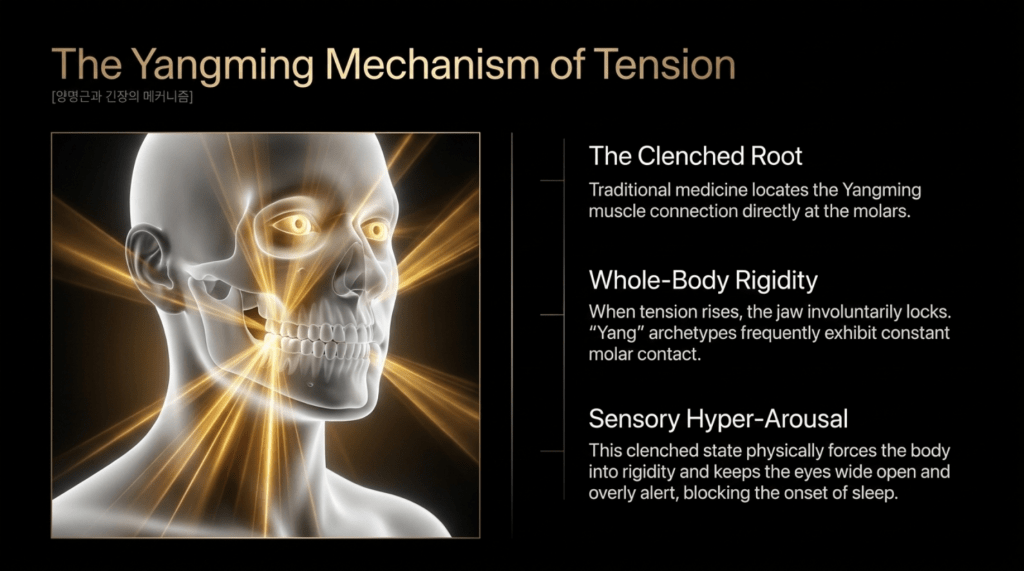
Thus, when tension arises, the sympathetic nervous system becomes activated, leading to heightened focus. The eyes become strained, the muscles tighten, the fists may clench, and the body assumes a more combative state. The eyes also move rapidly, scanning the surroundings.
This state is described as “Soyang fire” in traditional terms, corresponding to summer—when metabolic activity is at its peak. In the cycle of a single day, this is analogous to the energy of midday.
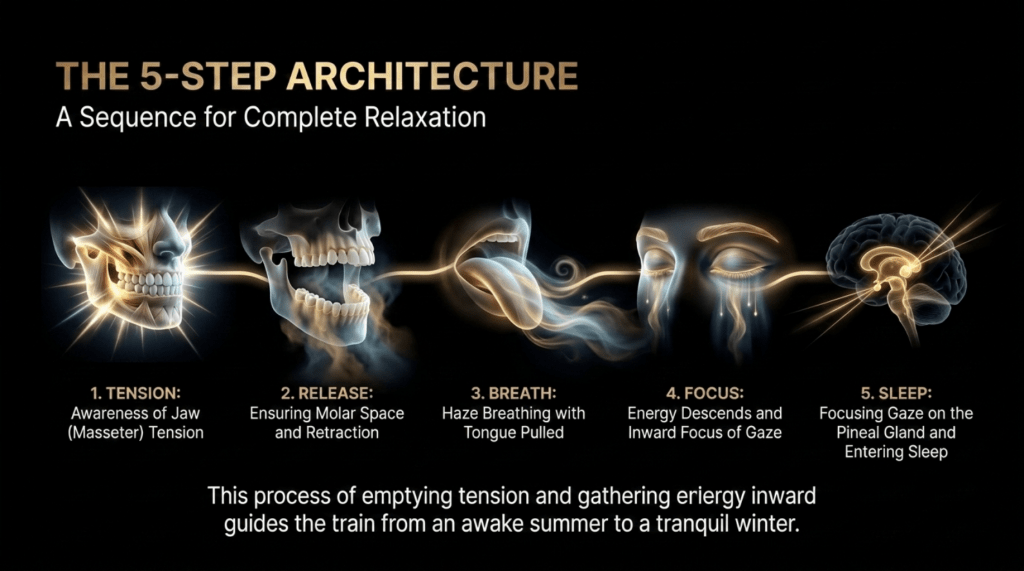
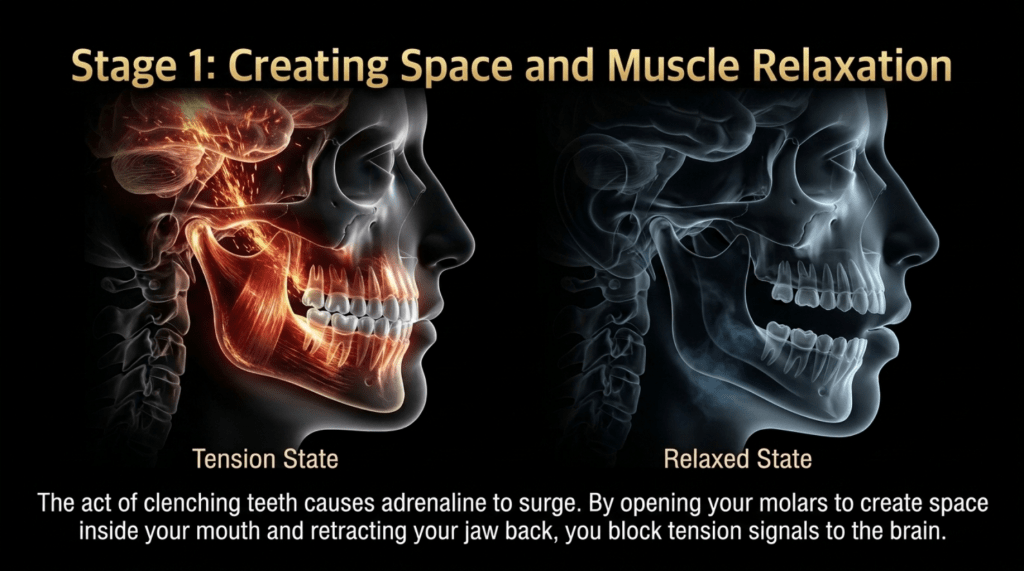
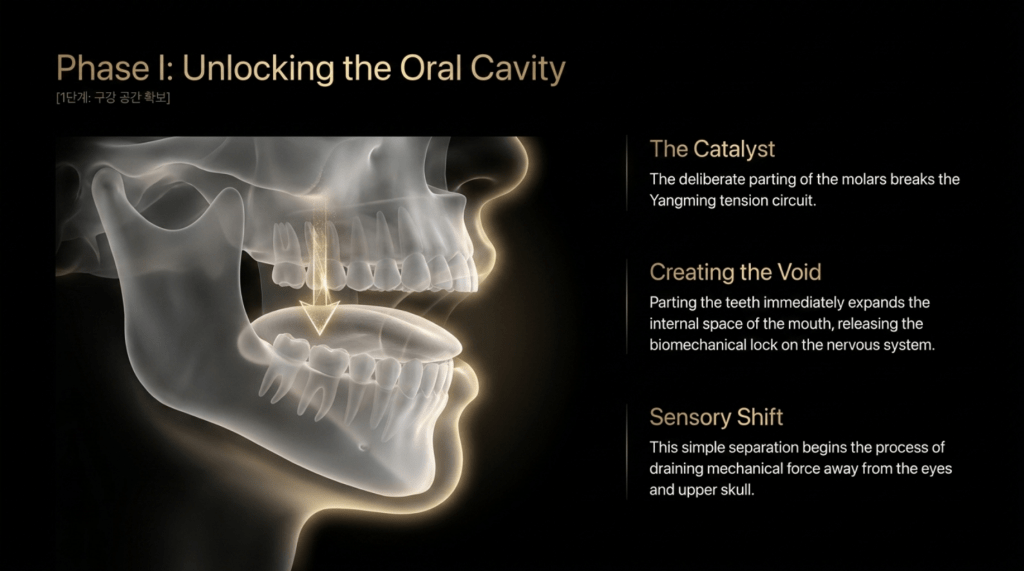
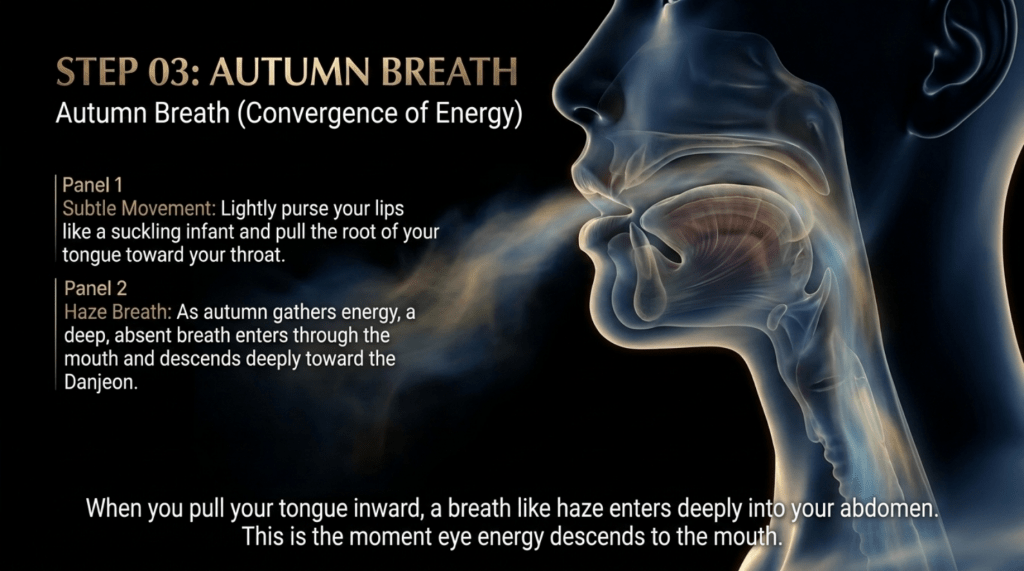
Therefore, the first step is to release the molars. By slightly parting the lips and gently expanding the mouth, the breath can flow more deeply. This creates the condition of “autumn,” a state of inward gathering.
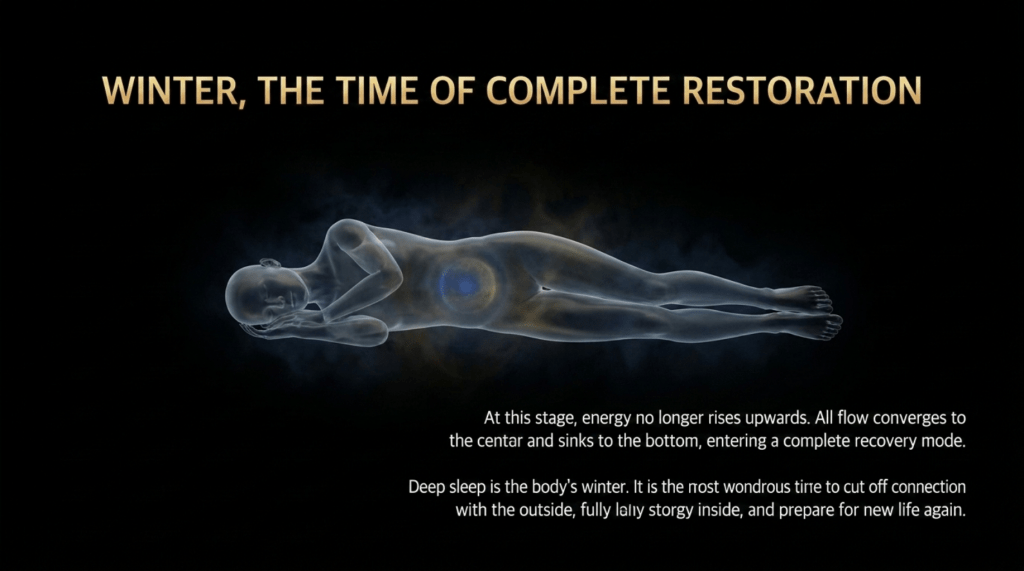
Sleep, in the framework of Eastern philosophy, is the process in which energy returns to the root—like winter—allowing the body to rest while storing and consolidating Yang energy for the renewal of spring. It is like compressing a spring before it rebounds; the compression is not passive, but a process of containing and concentrating energy within.
Thus, before true condensation (winter), there must be a phase of convergence. If winter represents condensation, then autumn represents convergence. Creating this “autumn state” begins with releasing the molars and relaxing the muscles around the mouth.
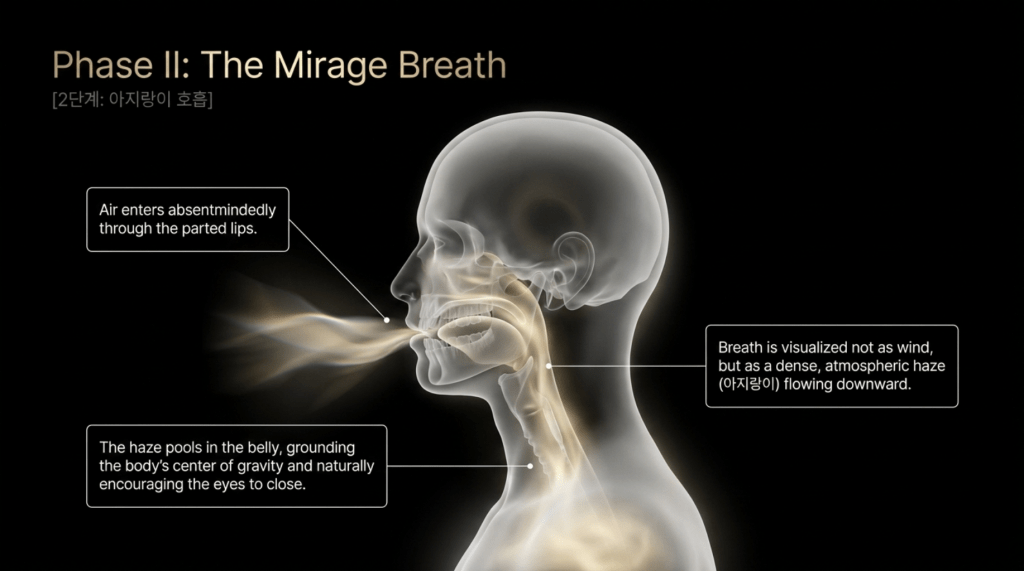
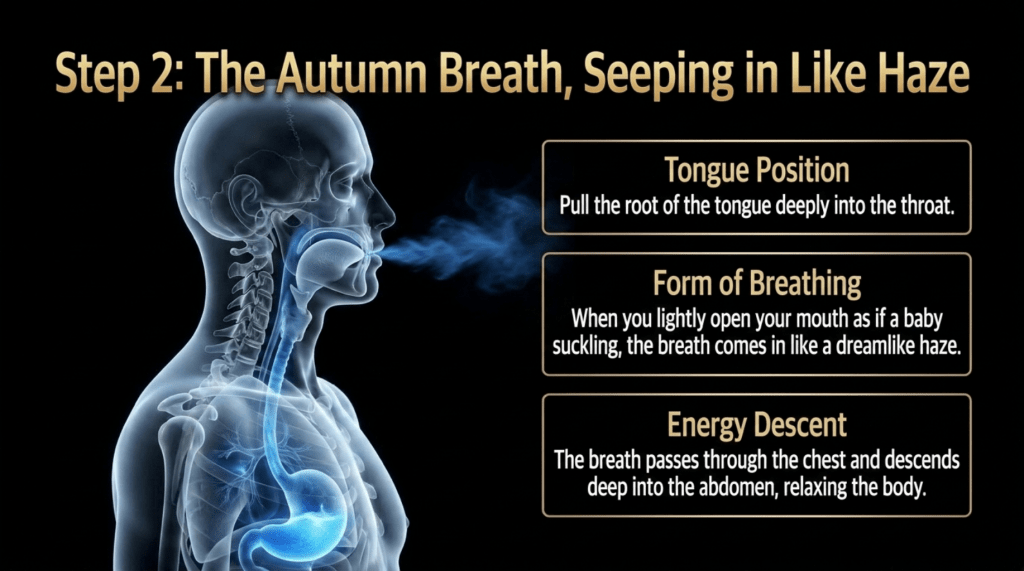
As this state is achieved, the breath naturally begins to deepen. By gently observing the breath and imagining it as a mist-like flow entering through the nose, filling the space along the palate, lingering softly within the mouth, and then descending down the throat, the breathing becomes even more profound and steady.
At the same time, the direction of the gaze shifts from outward to inward. Both eyes subtly converge toward the center, and the focus moves from the mouth down toward the throat—creating an internal, downward-oriented point of attention.
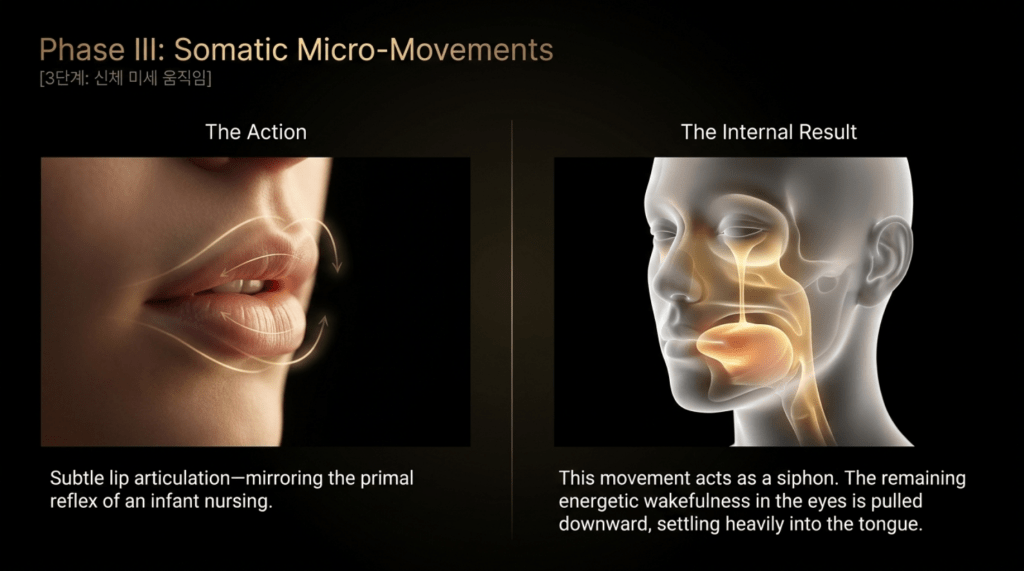
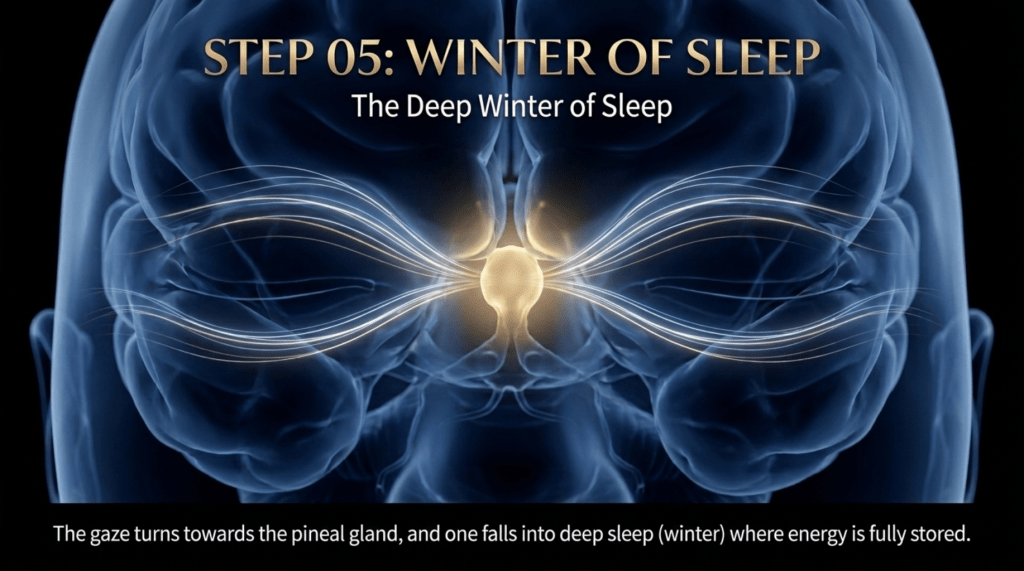
Once this convergent state—referred to as Metal energy (Taeeum phase)—is established, the next step is to move into the phase of Water energy (Soeum), which corresponds to condensation, the quality of winter. Winter may appear still and inactive on the outside, yet internally it is a phase of continuous and diligent accumulation of energy.
To facilitate this, one can gently move the tongue as if an infant were suckling. As this motion continues, tension naturally releases from the shoulders, and the mind begins to drift into a softened, quiet state.
Like a baby who relaxes and falls asleep while nursing in the comfort of its mother’s arms, the body gradually settles into deep relaxation.
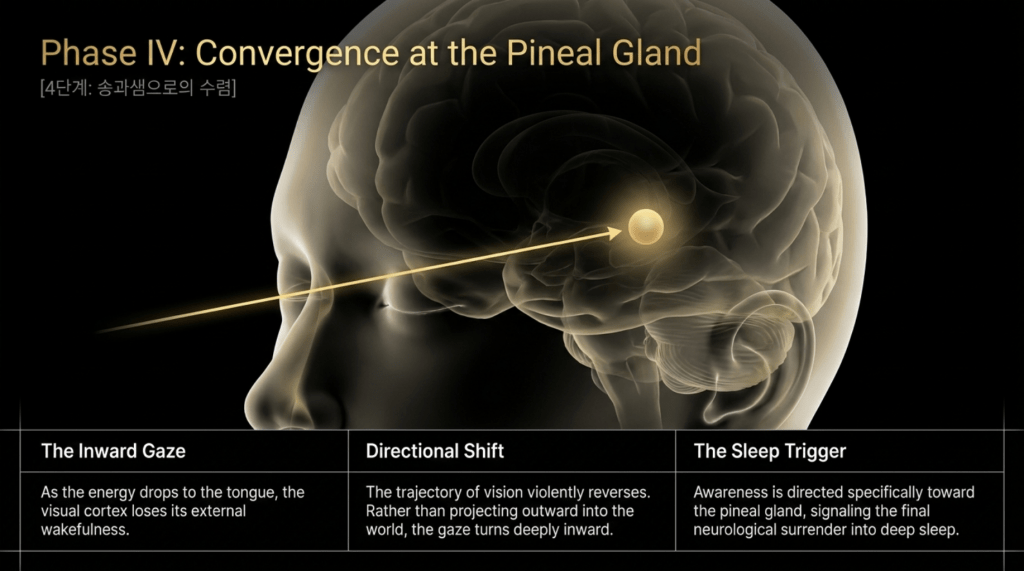
At this stage, one may proceed a step further by directing awareness toward the pineal region. If you trace down along the back of the head, you can feel a prominent bony protrusion in the midline; just below this point lies the acupoint known as Yuzhen (GV16).
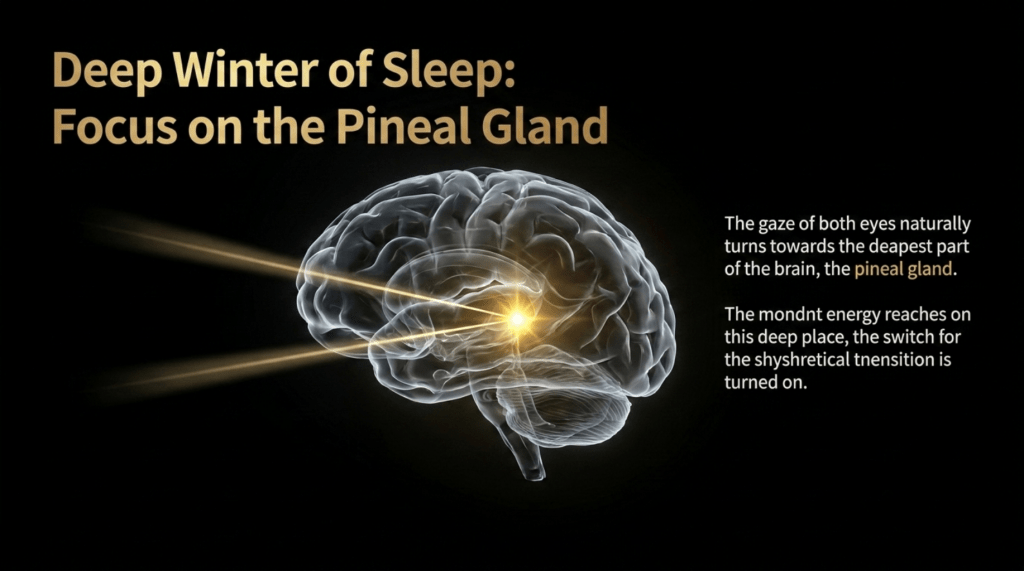
As attention is gently focused on that region and the tongue is moved softly in a subtle, suckling-like motion, the body enters a state of deep convergence of energy, and the release of melatonin secretion begins to increase.
The tension in the throat is released, and the shoulders naturally relax, allowing the entire body to settle into a calm and restful state.
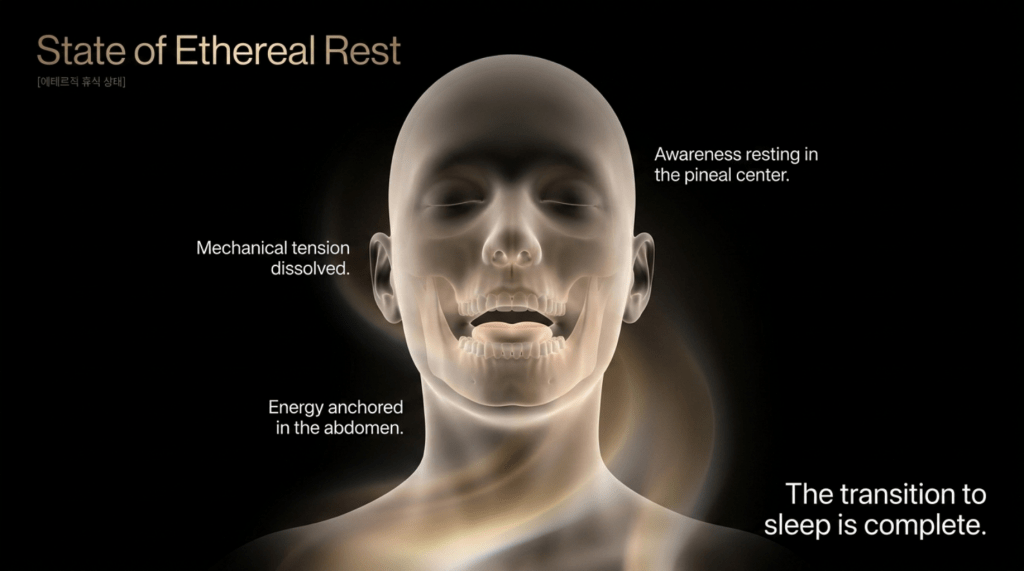
As one continues to descend inward into deeper layers of the inner self, melatonin is released within the body, gradually guiding the mind into a state of profound darkness—like entering a deep, pitch-black night.
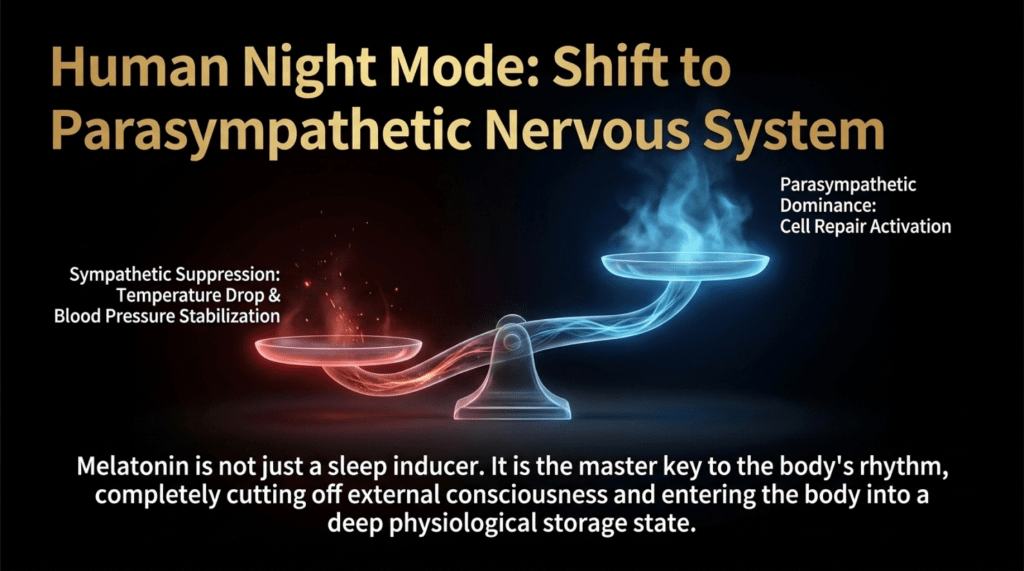
To facilitate the shift from sympathetic to parasympathetic dominance, bathing therapy is recommended, especially for those who have significant difficulty falling asleep.
- Bathing, the Autonomic Nervous System, and Sleep
Bathing is not merely a hygienic practice but a powerful physiological intervention that utilizes thermal stimulation through the skin to recalibrate both the autonomic nervous system and the circulatory system. The moment the body is immersed in warm water, thermal receptors in the skin are activated, leading to peripheral vasodilation and an increase in overall blood flow. Blood that was previously concentrated in the core is redistributed to the skin and muscles, reducing vascular resistance and easing the burden on the cardiovascular system.
This peripheral vasodilation also influences the balance of the autonomic nervous system. Initially, mild sympathetic activation may occur due to thermal stimulation; however, as immersion continues, parasympathetic dominance emerges. Heart rate decreases, breathing becomes slower and deeper, and systemic tension is released. This state closely resembles the physiological condition preceding sleep.
A particularly important factor is the shift in body temperature rhythm. During bathing, core body temperature temporarily rises. After exiting the bath, however, heat is rapidly dissipated through the dilated peripheral vessels, resulting in a swift decline in core temperature. This drop in temperature serves as a critical signal for the initiation of sleep.
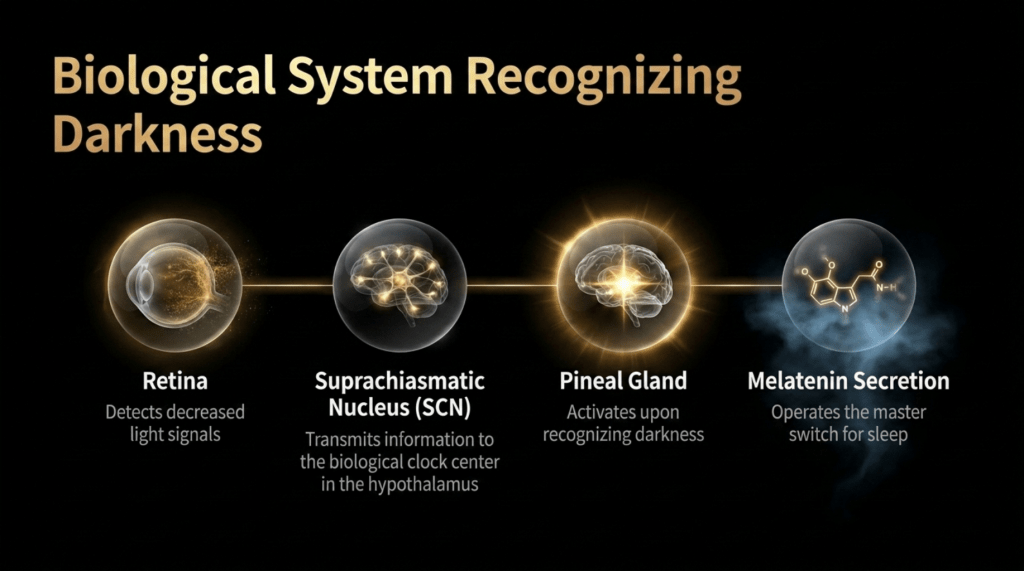
This process is closely linked to the suprachiasmatic nucleus in the hypothalamus. The SCN integrates circadian rhythms of body temperature with the sleep–wake cycle, recognizing the decline in temperature as a transition into “night mode.”
This signal is ultimately conveyed to the pineal gland, promoting melatonin secretion. Melatonin is not merely a hormone that induces drowsiness; it plays a crucial role in reducing overall central nervous system excitability and suppressing glutamate-driven neural activity, thereby stabilizing brain function.
In addition, the enhancement of systemic circulation through bathing improves cerebral blood flow balance and facilitates oxygen delivery to tissues, creating an optimal environment for synaptic reorganization and metabolic processes that occur during sleep.
Ultimately, bathing acts through a complex physiological mechanism—peripheral vasodilation, core temperature decline, and parasympathetic activation—to reduce central nervous system excitation and stimulate the SCN–melatonin axis, naturally guiding the body into a sleep state. It is not merely a method of relaxation, but a strategic intervention that promotes neural recalibration and the restoration of circadian rhythm.
This topic will be explored in greater detail in the next chapter, focusing specifically on bathing and sleep.
 한태영 원장님의 사상이야기